
From RVs to E-Bikes; Your Rights Under the Song-Beverly Act
By Chad David, Esq. at the Law Offices of Jon Jacobs | April 2026 | Serving All of California
When most people hear “lemon law,” they think cars. New vehicle, repeated repairs, call a lawyer. That association is understandable because vehicles make up the majority of lemon law claims in California. But it is also one of the most common misconceptions we encounter, because California’s Song-Beverly Consumer Warranty Act is not a car law. It is a consumer goods law. And the range of products it covers is much broader than most people realize.
If you purchased a product in California that came with a manufacturer’s warranty and the manufacturer has been unable to repair it after a reasonable number of attempts, you may have a lemon law claim regardless of whether the product has four wheels and a license plate.
What Qualifies as a Consumer Good Under Song-Beverly?
The Song-Beverly Consumer Warranty Act covers any new product that is primarily purchased for personal, family, or household purposes and comes with an express warranty. The law does not limit that definition to motor vehicles. It applies broadly to consumer goods, and California courts have consistently interpreted that term expansively.
What that means in practice is that a wide range of products beyond traditional passenger vehicles can qualify for lemon law protection. The key questions are the same regardless of what the product is: Was it purchased new in California? Does it come with a manufacturer’s warranty? Has the manufacturer had a reasonable opportunity to repair it and failed? If the answers are yes, the product may qualify. And if it qualifies, the manufacturer may be on the hook for a full buyback or cash compensation, and required to pay your attorney’s fees. We don’t charge our clients a dime.
Recreational Vehicles
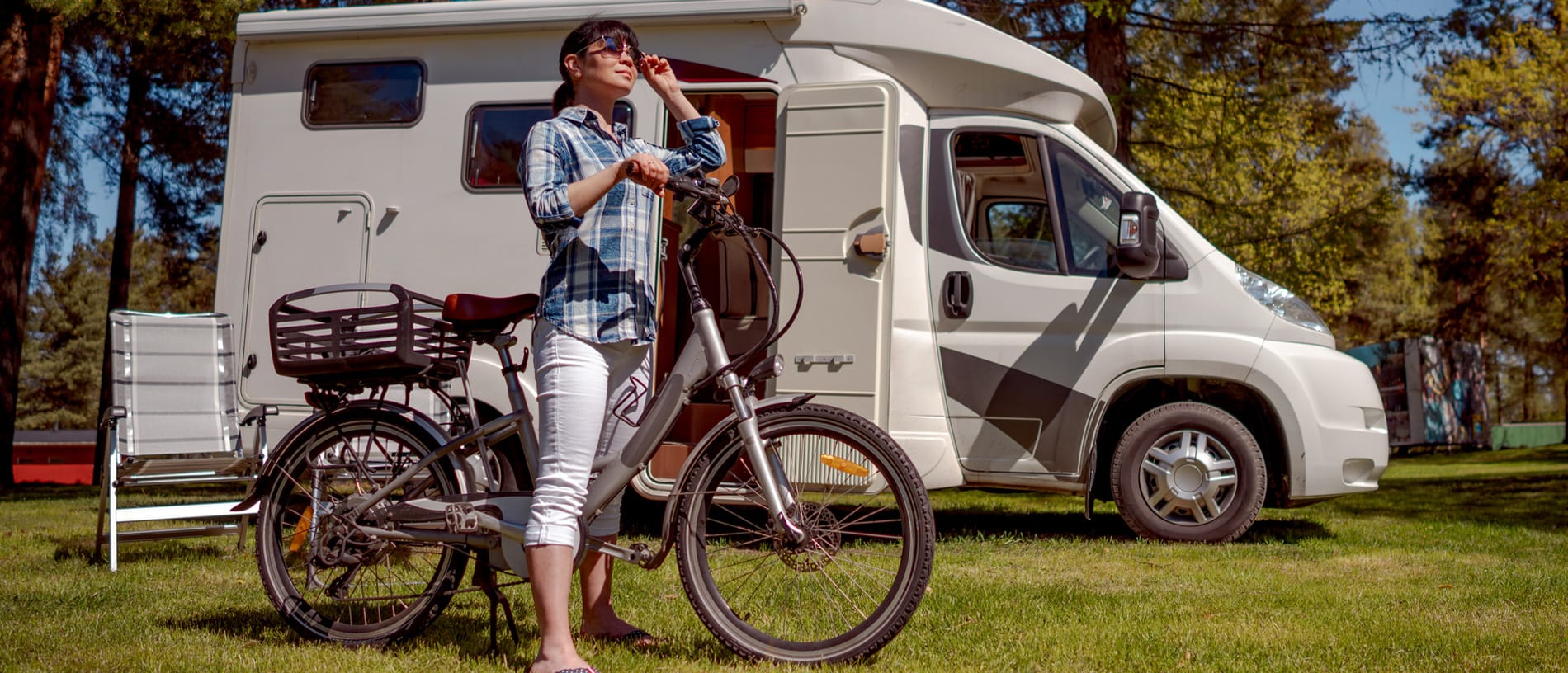
RVs represent one of the most active areas of non-vehicle lemon law claims in California, and for good reason. These are extraordinarily expensive purchases, often costing hundreds of thousands of dollars, and they are notoriously plagued with defects. Slideout failures, roof leaks, electrical system problems, plumbing failures, generator defects, and chassis issues are among the most common complaints we see.
RV manufacturers have a well-earned reputation for poor quality control and even poorer customer service after the sale. Many RV owners spend their first year of ownership cycling in and out of the dealership for repairs that never fully resolve. If that sounds familiar, your RV may qualify under Song-Beverly, and the compensation available on a defective RV can be substantial given what these vehicles cost.
Side-by-Sides and Off-Road Vehicles
Side-by-sides, UTVs, and other off-road recreational vehicles sold with a manufacturer’s warranty and purchased for personal use can qualify under California’s lemon law. These vehicles carry significant price tags and are frequently subject to engine, transmission, electrical, and safety system defects that dealers struggle to resolve.
Brands across the industry have seen significant complaint volume in recent years, and consumers who purchased these vehicles new and have been chasing the same defects through multiple dealer visits may have a stronger claim than they realize.
Boats and Personal Watercraft
A boat or personal watercraft purchased new in California with a manufacturer’s warranty is a consumer good under Song-Beverly. Engine failures, electrical defects, hull problems, and safety system malfunctions that the manufacturer cannot repair after a reasonable number of attempts can support a lemon law claim.
Boating season in California is long, and a defective boat that spends that season sitting at a dealership waiting for parts or a technician who knows what they are doing represents exactly the kind of loss of use the lemon law was designed to address.
E-Bikes and Electric Personal Mobility Devices
This is an area where we are seeing growing consumer interest and growing manufacturer problems. E-bikes, particularly higher-end models with significant price tags, frequently experience battery defects, motor failures, electrical system malfunctions, and braking problems. Many come with manufacturer warranties. Many manufacturers are failing to honor those warranties adequately.
California is the largest e-bike market in the country. If you purchased a new e-bike with a warranty and have been dealing with recurring defects that the manufacturer cannot fix, it is worth a conversation.
Power Equipment: Snowblowers, Generators, and More
Power equipment sold with a manufacturer’s warranty and purchased for personal or household use falls within the consumer goods definition under Song-Beverly. Snowblowers, generators, riding lawn mowers, and similar equipment that experience recurring defects the manufacturer cannot repair may qualify.
These claims are less common than vehicle or RV claims, but they are not unprecedented, and for high-value equipment that has been repeatedly repaired without resolution, the law provides the same protections it does for any other qualifying consumer good.
The Common Thread Across All of These Claims
Regardless of what the product is, the analysis under Song-Beverly starts with the same foundational questions. Was it purchased new in California? Does it carry a manufacturer’s express warranty? Has the manufacturer had a fair opportunity to repair it and been unable to do so after a reasonable number of attempts? Has the product been out of service for 30 or more cumulative days for warranty repairs?
Here is where consumer good claims actually have an advantage over vehicle claims that most people do not know about. For consumer goods under Song-Beverly, you do not need to prove that the defect substantially impairs the product’s use, value, or safety the way vehicle claims require. Under CACI 3200, the standard is simpler: if the manufacturer failed to repair the product after being given a reasonable opportunity to do so, you may be entitled to compensation. Full stop.
That is a meaningfully lower bar, and it matters. A defect that might not clear the substantial impairment threshold in a vehicle claim can absolutely support a consumer good claim. If the manufacturer has had its chances to fix the product and has not gotten it done, the law does not require you to prove anything more than that. And just like with vehicle claims, the manufacturer pays your attorney’s fees when you prevail. We don’t charge our clients a dime, regardless of what type of product your claim involves.
What You May Be Owed
A successful Song-Beverly claim on any qualifying consumer good can result in a full buyback of the product returning what you paid including taxes and associated costs, or a cash settlement that compensates you for what you have been through. The manufacturer pays your attorney’s fees on top of that when you win. If it came with a warranty and the manufacturer cannot fix it, we want to hear about it.
What You Should Do Right Now
- Save every repair order and warranty service record from every visit, regardless of what the product is.
- Do not assume lemon law only applies to cars. If it has a warranty and recurring defects, call us.
- Do not accept a manufacturer’s customer care denial as the final word. Their telling you that lemon law does not apply to your product is not a legal conclusion. It is a deflection.
- Contact our office for a free case evaluation. We handle Song-Beverly claims across all consumer good categories, statewide across all of California.
Free Case Evaluation — No Fee Unless You Win.
Visit lemonbuyback.com to get started. California consumers only.
This article is for general informational purposes only and does not constitute legal advice. Reading this post does not create an attorney-client relationship. Whether a specific product qualifies under Song-Beverly depends on the facts of your individual situation. Contact our office to discuss your claim.
